Moving on from Pride Month
Moving on from Pride Month
This June, some states are celebrating traditional values instead of LGBTQ interests
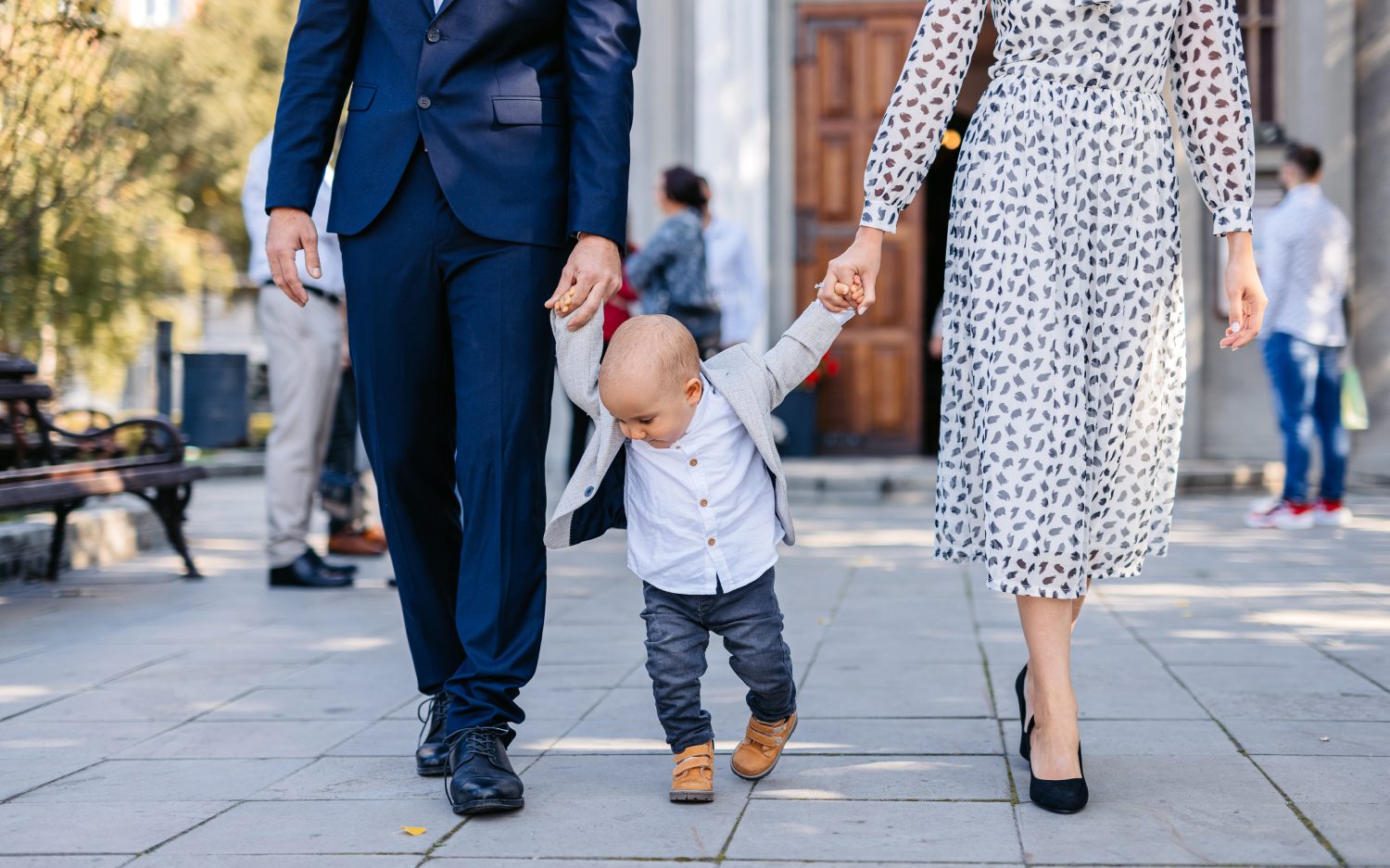
Frank Mylar, a longtime resident of Utah, said one of his favorite features of his adopted state is its tilt toward traditional values. Mylar is originally from the Northwest, and his wife is from the New England region. “It’s nice because Utah has a culture that’s quite a bit different than those two extremes,” he said.
Yet, as in other states across the country, Utah’s larger cities have shifted leftward politically and ideologically over the years. Utah’s capital of Salt Lake City is home to the headquarters of the conservative-leaning Mormon religion, but the city has also hosted pro-LGBTQ events since the 1970s.
So Mylar was surprised this year when Utah Gov. Spencer Cox recognized June as Fidelity Month. Cox previously signed Pride Month declarations during the first three years of his governorship. The change drew widespread criticism from pro-LGBTQ organizations, an uproar Mylar described as unsurprising. “Those loud voices are still the minority in the state of Utah,” he said. “They shout 10 times louder than they are.”
Pride Month, which former President Bill Clinton introduced in 1999, has seen decreasing support in recent years. This June, organizations and lawmakers across the country are prioritizing celebrations besides LGBTQ Pride. While some organizers design events to be direct alternatives to pro-LGBTQ events, others aim to recognize the importance of traditional families and the value of life.
According to a Gallup poll released earlier this month, Americans’ support for same-sex relationships and changing one’s gender has waned significantly since 2023. And after President Donald Trump last year signed executive orders to dismantle diversity, equity, and inclusion initiatives, corporate executives told Forbes they would scale back support for Pride.
Among this year’s alternative celebrations, Fidelity Month has garnered the most support. Alongside Gov. Cox, the Kentucky Senate, the Michigan House of Representatives, and the state of Arkansas have formally designated June as Fidelity Month.
Fidelity Month promotes loyalty to God, family, and country, said Christopher Parr, special projects manager for Fidelity Month founder Robert P. George. But George didn’t intend his idea as an alternative to Pride Month—he only picked June because it followed soon after he had the idea for the celebration, Parr said.
George, a Princeton professor and a legal scholar at the Witherspoon Institute, launched Fidelity Month in 2023 after seeing a Wall Street Journal poll on the declining rates of commitment to patriotism, religion, having children, and community involvement, according to Parr. He added that Fidelity Month seeks to be part of a cultural push to refocus on these ideals.
“Those basic values, fidelity to God, to our spouses and families, to our communities and countries, are the sources of America’s unity and strength as a nation,” Parr said. “So this is just our way … to help Americans learn to rededicate ourselves to them.”
Other states have also pushed for similar celebrations during June. In Alabama, Gov. Kay Ivey marked June as Strong Families Month, and Florida Gov. Ron DeSantis designated the period as Faith and Family Month. Tennessee and Indiana issued separate decrees dubbing June as Nuclear Family Month. Tennessee’s House of Representatives said that families with a husband, wife, and children are “God’s design” and should be protected.
Both Indiana and Tennessee received backlash for their moves, with the Freedom From Religion Foundation contending that Pride Month is necessary for recognizing LGBTQ people.
At the federal level, Rep. Mary Miller, R-Ill., introduced a resolution in the U.S. House of Representatives on June 4 to declare June as Family Month to replace Pride Month.
Pride Month has harmed America for more than two decades, Miller explained, citing lower fertility rates and declining marriage numbers. By emphasizing healthy families instead, communities prioritize something that brings “better educational outcomes, lower crime rates, stronger communities, and greater economic mobility,” Miller said.
If passed, the House resolution would declare that the natural nuclear family is “the foundation of a healthy society” and that married mothers and fathers provide “the best environment for children to thrive.” Miller hopes Americans will celebrate the month with family picnics, church sermons, and community gatherings. She said she’s already heard from several religious leaders from multiple denominations who expressed interest in her resolution.
“Celebrating the American family is so positive and unifying. And Pride Month just brings us down in every way. It’s divisive,” Miller said. “I think that we’re seeing that American people are very tired of it, even corporations that were all on board a few years ago, completely throttled it back.”
According to NPR, corporate sponsorships declined for 2026 Pride celebrations in New York City, Salt Lake City, Louisville, St. Louis, Orlando, and Pittsburgh as organizations move away from backing diversity, equity, and inclusion initiatives.
Some pro-life advocates point out that June holds another reason to celebrate. On June 24, 2022, the U.S. Supreme Court ruled in Dobbs v. Jackson Women’s Health Organization that the nation’s Constitution does not guarantee a right to abortion. The decision allowed states to enact pro-life laws and protections for unborn babies. Now, national pro-life organizations celebrate the anniversary with prayer services and community events. In Oklahoma, Gov. Kevin Stitt designated June as Life Month and called for the state to recognize the “inherent human dignity and value of every human life.”
“Whether we are calling it Life Month or not, the truth is that the month of June is and forever will be really important for the pro-life movement,” said March for Life President Jennie Bradley Lichter. “It is the month where Roe v. Wade was consigned to the dustbin of history where it has always belonged.”
Though Dobbs marked a major victory, Lichter and other pro-lifers are quick to point out that it was not the end of the fight to protect unborn babies. This June, Lichter and her team are encouraging lawmakers to visit local pregnancy resource centers to learn about local efforts to advocate for and protect unborn babies. “Wouldn’t it be amazing if social media and the traditional media was flooded around the time of Dobbs with stories of the pregnancy care movement?” Lichter said.
Celebrations of family and the sanctity of life differ from movements that focus on unbiblical values because they are founded on truth and love, Lichter said. “Those things are sustainable and they sustain us in turn,” she said.
Comments


